

Nourishing Oils That Promote Stronger Hair
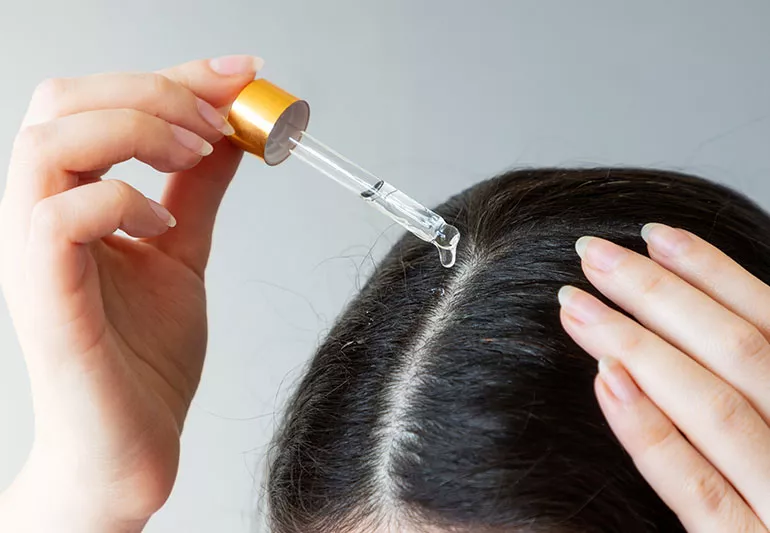
Hair fall is one of those problems that sneaks up on you. A few extra strands on the pillow, a little more in the shower drain, and suddenly you’re wondering what changed. For many people, the answer lies not in some rare medical condition but in something much more basic — the scalp isn’t getting enough of what it needs. And oils, when chosen and used correctly, can make a meaningful difference.
Why the Scalp Needs Oil in the First Place
The scalp is skin. Like the skin on your face or arms, it has its own oil glands that produce sebum — a natural lubricant that keeps the surface moisturized and the hair follicles functioning well. But pollution, harsh shampoos, heat styling, and even stress can disrupt this balance. When the scalp becomes too dry or too inflamed, hair follicles don’t cycle properly. Hair enters the shedding phase too soon, grows back thinner, or in some cases, doesn’t grow back with the same strength at all.
Topical oils can’t replace sebum entirely, but they can support the scalp environment, reduce inflammation, and deliver certain nutrients directly to where hair grows.
What Good Hair Oils Actually Do
There’s a lot of marketing noise around hair oils. The reality is simpler. A well-formulated oil works in a few specific ways:
- It reduces transepidermal water loss from the scalp, keeping moisture in
- It creates a protective layer around the hair shaft, reducing mechanical damage from combing and friction
- Certain oils carry active compounds — fatty acids, antioxidants, and plant-based molecules — that interact with the scalp tissue and follicles
- Regular massage during oil application stimulates blood circulation, which helps deliver oxygen and nutrients to follicle cells
The key word here is “formulated.” A single oil used in isolation often has limits. Most effective hair oils combine multiple ingredients that work together.
Oils With Strong Evidence Behind Them
Not all oils are equal. Some have been studied more rigorously than others when it comes to hair health.
Coconut oil is one of the most researched. Its lauric acid content allows it to penetrate the hair shaft rather than just coat it, which helps reduce protein loss over time. It also has mild antimicrobial properties that can keep the scalp healthier.
Castor oil is thick and rich in ricinoleic acid, which has anti-inflammatory properties. It’s often used to support scalp circulation, though it works best when diluted with a lighter carrier oil.
Bhringraj, a herb-based oil widely used in Ayurvedic medicine, has shown some promising effects in early research on hair follicle activity. It’s been used for centuries in India specifically for hair thinning and scalp health.
Onion-derived ingredients, particularly when combined with base oils, are increasingly gaining attention. The combination of onion juice and coconut oil for hair has been explored for its sulfur content, which supports keratin production and may help reduce hair fall over consistent use.
How You Apply Oil Matters As Much As Which Oil You Use
A common mistake is applying oil as a quick ritual without much thought. The method actually matters.
- Warm the oil slightly before use — it improves absorption and makes the massage more effective
- Use your fingertips, not your nails, to work it into the scalp in small circular motions
- Focus on the scalp, not just the length of your hair — that’s where the action is
- Leave it on for at least 30 to 45 minutes, or overnight if your scalp tolerates it
- Wash it out properly — leftover oil buildup can clog follicles over time
When Oil Alone Isn’t Enough
Oils are a good supportive step, but they aren’t a complete treatment for significant hair loss. If you’re seeing consistent thinning, widening of the parting, or bald patches, that signals something deeper — hormonal imbalance, nutritional gaps, or scalp conditions like dandruff or folliculitis that need attention.
Some approaches like Traya Nourish Hair Oil are built around this idea — combining the benefits of clinically relevant ingredients in a way that addresses scalp health more holistically rather than relying on one oil alone.
Final Thoughts
Hair care doesn’t need to be complicated, but it does need to be consistent. Oils won’t transform your hair overnight. What they can do, over weeks and months of regular use, is create a healthier scalp environment — one where hair has a better chance of growing strong and staying there. Start with understanding what your scalp actually needs, choose ingredients with real backing, and give it time.