

EU considers loosening controls on Vietnamese noodles
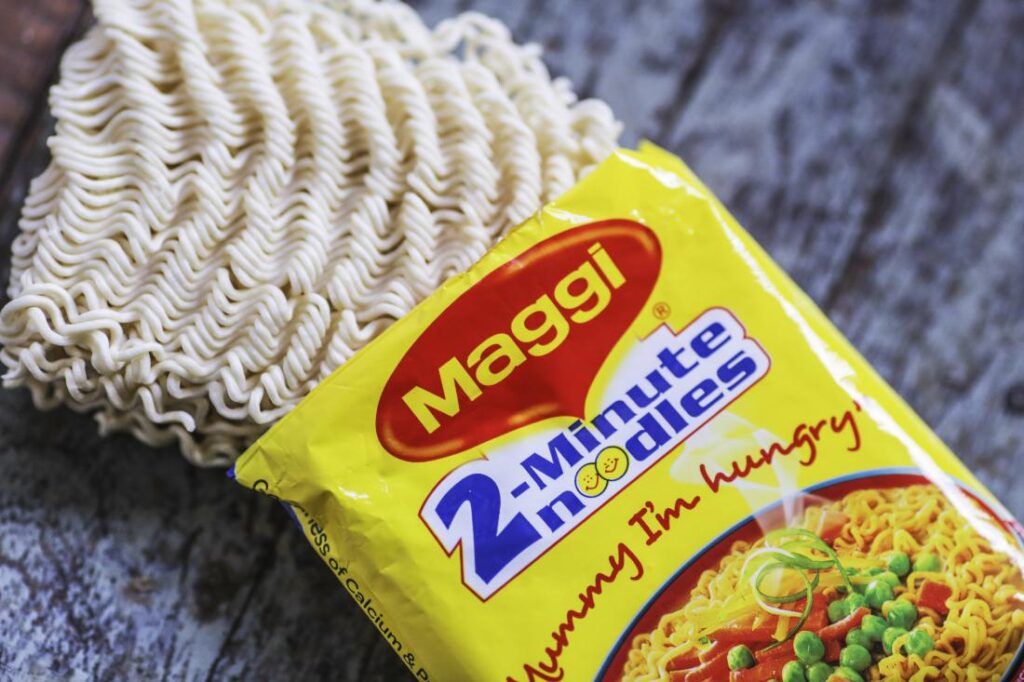
According to the Vietnam Trade Office in Belgium, the European Union (EU) is considering a proposal to reduce food safety control measures on instant noodles imported from Vietnam.
Since February last year, 20% of Vietnamese instant noodle shipments exported to the EU have been subject ethylene oxide level inspections. All shipments have been required to come with health certificates issued by Vietnamese regulatory agencies.
According to the Vietnamese Ministry of Industry and Trade, in the second half of 2022, the EU found no ethylene oxide, an organic compound with various applications (including disinfection and sterilization), in Vietnamese instant noodles.
Therefore, the EU has proposed not requiring health certificates for instant noodles imported from Vietnam, reported the office.
According to the office, the proposal is expected to be approved by the block’s member states at a meeting in April.
By the end of February, the Ministry of Industry and Trade had issued 3,170 health certificates to exporters of instant noodles to the EU market through 21 ports.
In August 2021, a number of batches of Vietnamese instant noodles exported to the EU market were returned or destroyed due to residues of ethylene oxide exceeding the permissible level stipulated by the EU.
Currently, each country and region has different regulations on ethylene oxide.
Ethylene oxide is commonly used as a highly effective disinfectant and fumigation agent in a number of agricultural products, especially spices and herbs.
Consumption of products containing ethylene oxide does not pose an acute health hazard but can cause cancer if taken regularly for a long time.
In many European countries, 2-chloroethanol, a metabolite of ethylene oxide, is considered ethylene oxide when they calculate the ethylene oxide content in foods.